
Honduras
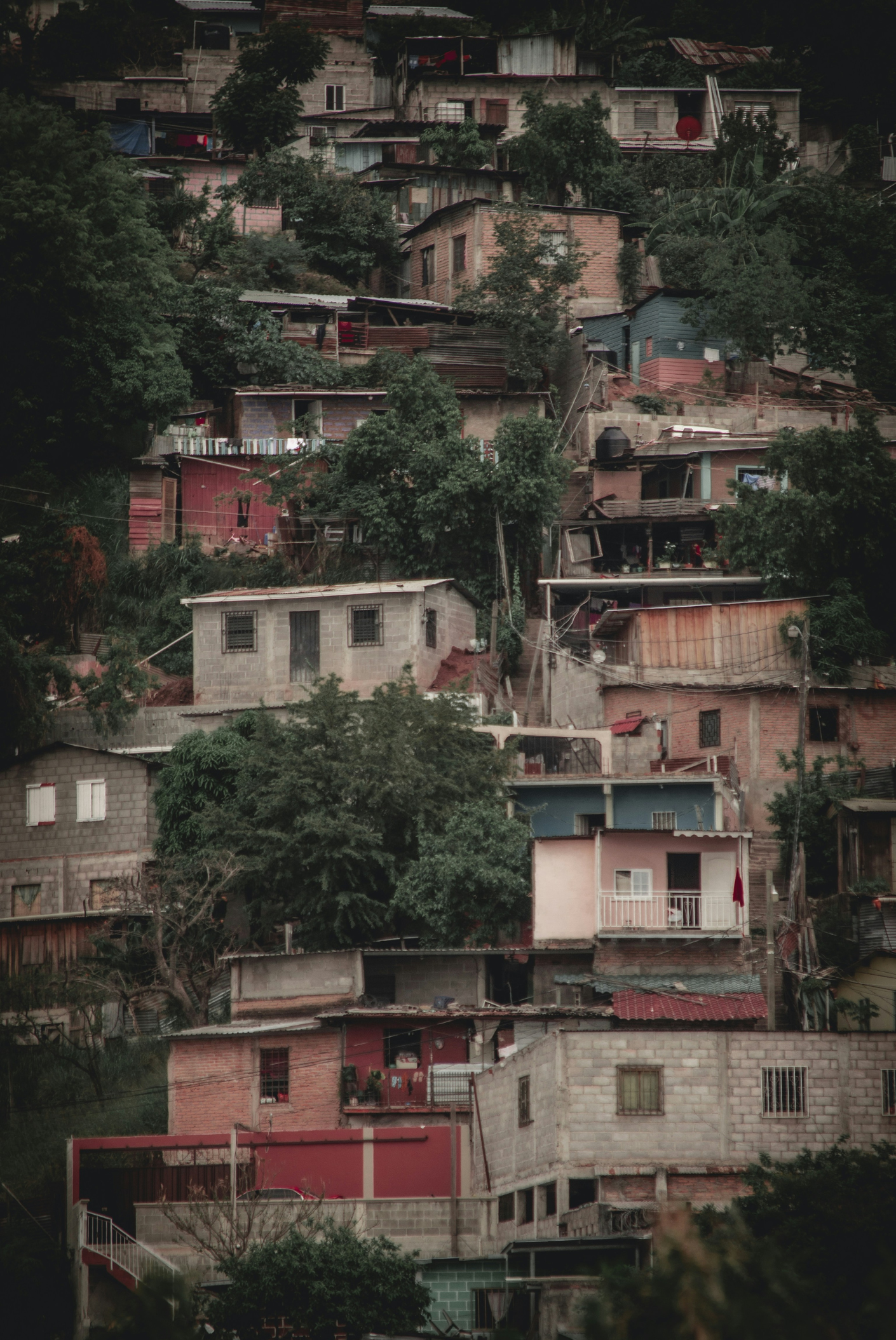
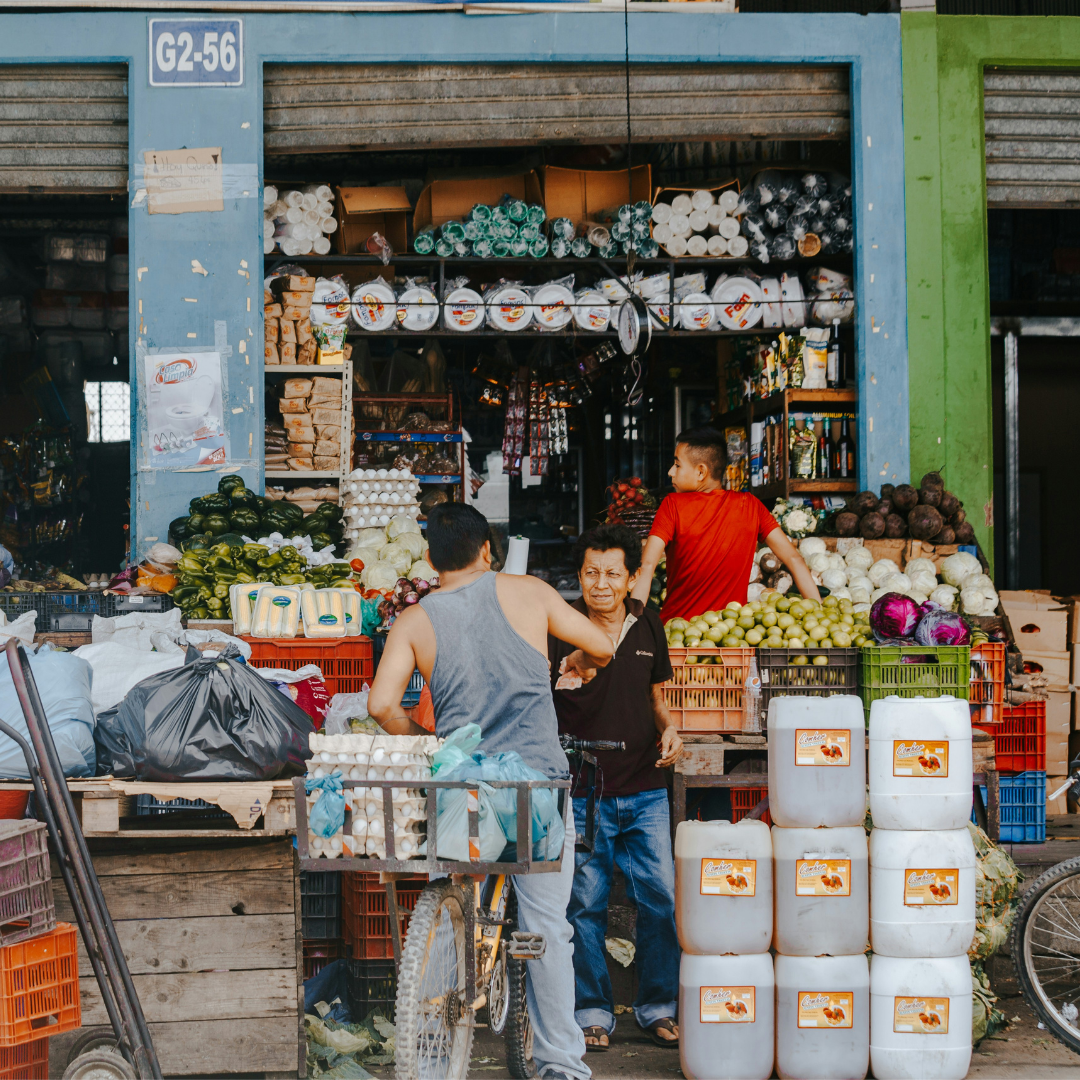
Honduras is a poor country, and the majority of Hondurans work under extremely difficult conditions.
GOD LED US
The great ones are the small ones. Slightly stooped in stature, skin and clothes a bit wrinkled because they care too much about others to be bothered, honestly. – These are the ones who shine.
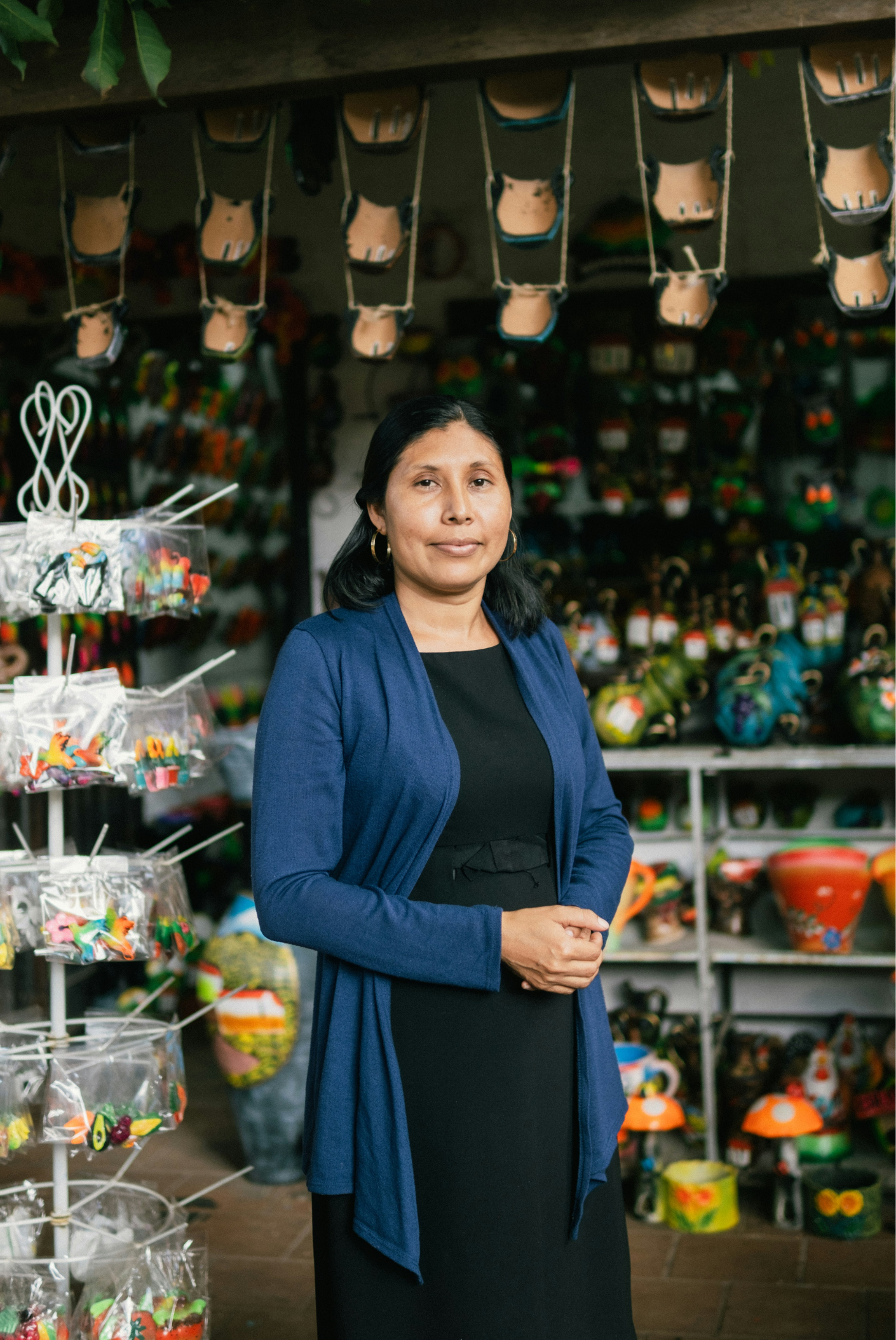
Enter a small, yet great woman, who travels alone regularly from her own town of Villaneuva, 45 minutes away, to care for the ones caught in the midst of all the crossfire: the women and children.
It’s fall of 2024. She tells us about all of the hard. She tells us of abject poverty. She tells us of men, murdered or disabled from being stabbed. It’s the most violent city in the world, after all, with an average of 20 people a day being killed.
And so we trust, as this new branch is grafted. I remind Pastora Argentina of what God told me when The Lulu Tree first started –
Our job is not to fix. He could fix the world with one breath. Our job is to love.
Partner with us
About Honduras
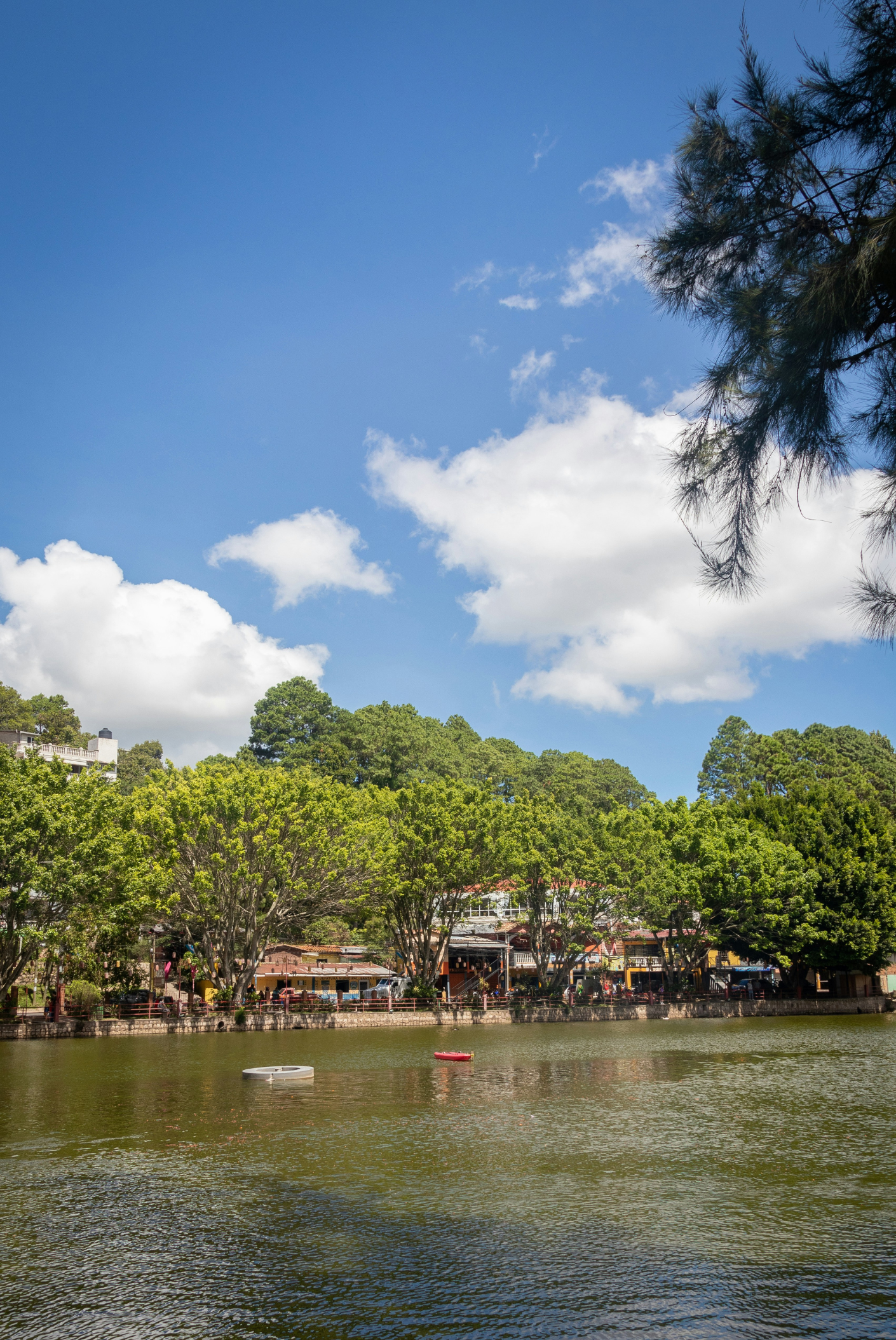
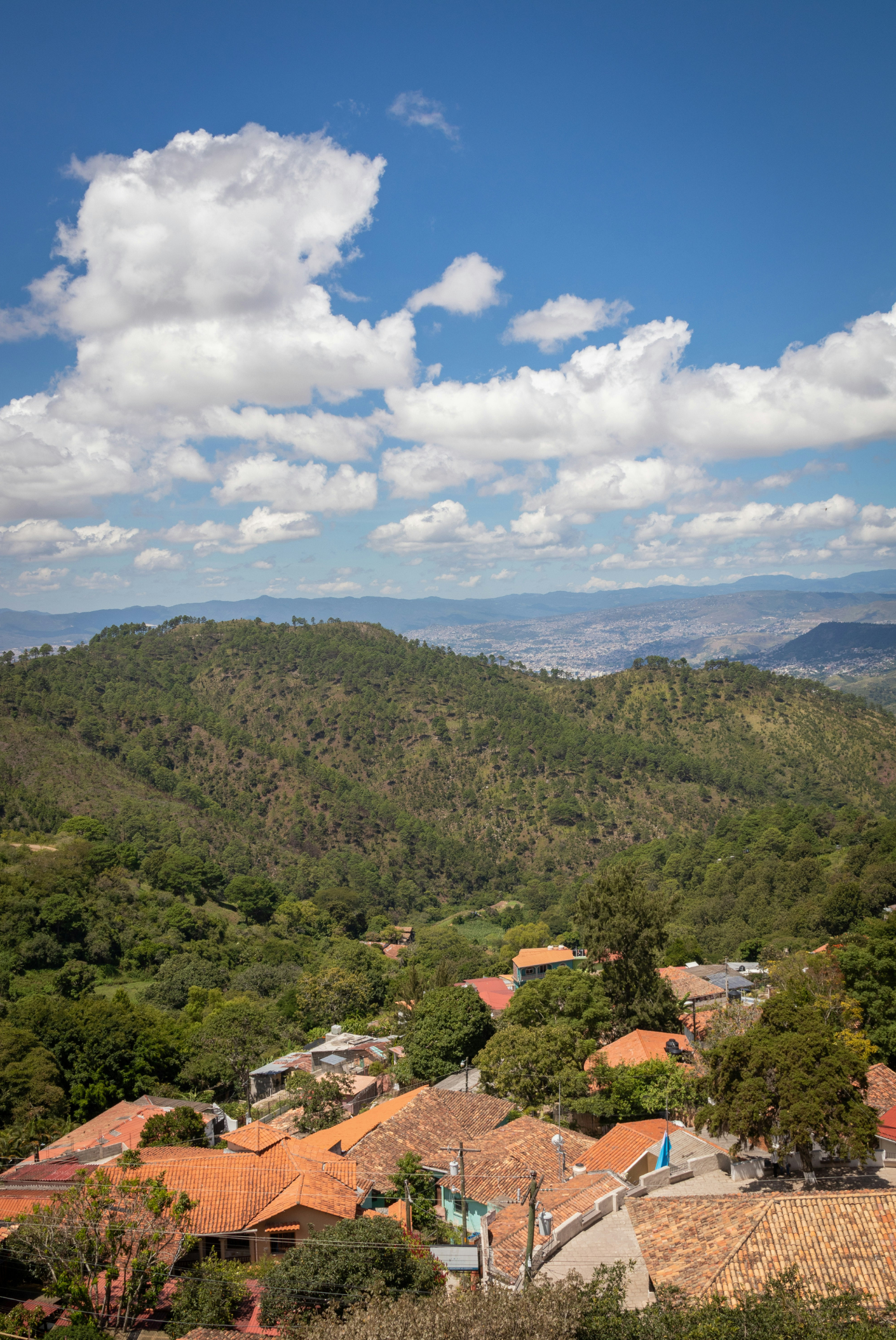
From Britannica: The bulk of the population of Honduras lives a generally isolated existence in the mountainous interior, a fact that may help to explain the rather insular policy of the country in relation to Latin and Central American affairs. Honduras, like its neighbours in the region, is a developing nation whose citizens are presented with innumerable economic and social challenges, a situation that is complicated by rough topography and the occasional violence of tropical weather patterns…
Read More
From Prayercast.com:
“Honduras is the second poorest nation in Central America (Nicaragua) and one of the poorest in the Western Hemisphere. Fifty-four percent of the population, campesinos, work in agriculture, yet one-third of the people are unemployed and 65% live below the poverty line. Hondurans sometimes refer to their nation as machista (macho, sexist) because men are viewed as more important by society.
About 95% of the population claim Christianity, and Roman Catholicism is the largest segment. The number of evangelical Christians has increased dramatically since the 1960’s, and research has found that about 36% of the population agrees with evangelical beliefs. The biggest problems facing the Church are socio-economic issues, such as children at risk, HIV/AIDS, and gang violence. More than half of the population are children, and the streets are full of orphans and unwanted children who get pulled into the gang or sex trade lifestyle out of desperation. Pray that the Church and other ministries will reach out to these desperate children and that God would use His people to comfort those hurting across Honduras.“
From Brittanica:
“The majority of the population is rural, living in small villages or isolated settlements; more than half of Hondurans are urban residents. During the 1980s and ’90s there was an especially rapid increase in urban population in and around Tegucigalpa, with accompanying overcrowding of housing, suburban development, air and water pollution, and rising crime rates. In the rest of the country, the mountainous, forested terrain and poor roads added to the local isolation.“
What God is doing
in HONDURAS
Equipping Families
SUSTAINABLE PROJECTS FOR MOTHERS
We prayerfully select 20 vulnerable mothers for each one-year discipleship program. The mothers chosen belong to a local church and are widows, or abandoned, or their husbands are disabled or ill. Each participant receives a sustainable project of her choosing, in line with the allotted budget.
The projects are then monitored by the local church, and training given monthly in finance, budgeting, and tithing.
Projects include tailoring, catering, goat or chicken rearing, decorating, hairdressing, and providing educational services such as computer skills.
Upon completion of the year, it is expected that each mother would then use some of her profits to assist another needy woman in her community, thus continuing the cycle of ending poverty.
Equipping Churches
DISCIPLESHIP TRAINING
In addition to meeting their material needs, each of the mothers is enrolled in a one-year discipleship program consisting of 12 Bible-based courses. The mothers gather weekly to study together and eat a meal together. Often they will also engage in a form of game.
The biblical courses, supplied by Harvestime Institute, train the mothers to not only love themselves as Christ loves them, but to share the gospel with their children and their neighbors. Courses include Biblical Theology, Strategies for a Spiritual Harvest, and Intercessory Prayer.
Mothers then graduate after one year with a one-year discipleship certificate, strengthened in the knowledge that they are a beloved daughter of the Most High God.
Locations
1177 W Cody Circle, South Jordan, UT 84095 (USA)
c/o The Great Commission Foundation, PO Box 14006, Abbotsford BC, V2T 0B4 (CANADA)
Phone
(385) 315-8433 (USA)
(780) 674-8992 (CANADA)